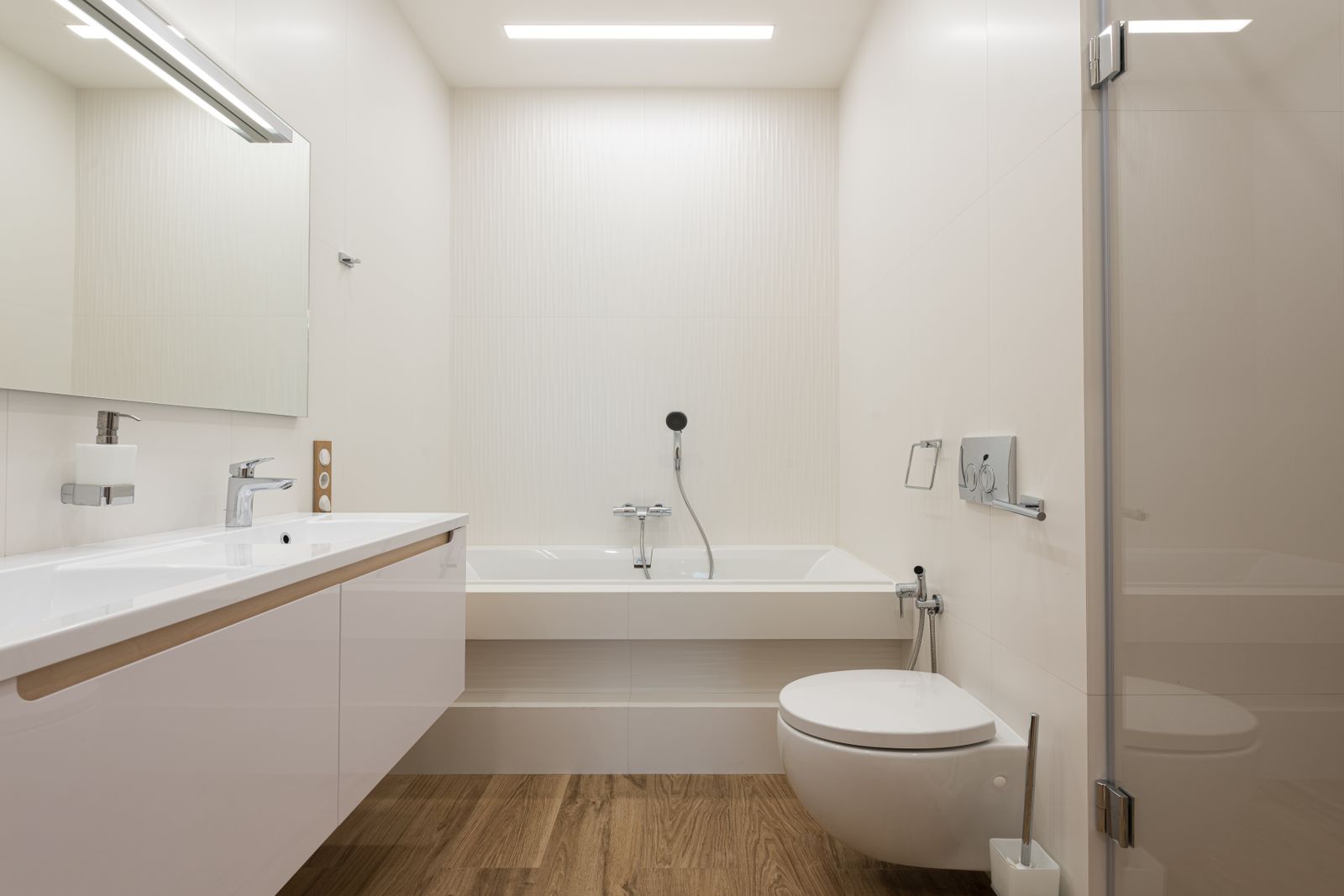
Bathroom renovations go wrong in predictable ways, and most of them trace back to decisions made after the rough-in rather than before it. These are the questions worth asking early.
Are fixtures selected before rough-in?
Rough-in dimensions vary between products. A vanity, tub, toilet or shower valve chosen after the pipe is in the wall may not line up with what was installed. Selecting fixtures first is the single biggest cost saver.
Is anything moving?
Keeping fixtures in their existing positions is significantly simpler than relocating them. If a layout change is worth it to you, that is a legitimate choice — but it should be a deliberate one with the cost understood.
What is the drain and vent situation?
- Is there enough joist depth for the required slope?
- Where will the new fixture vent connect?
- Is the existing stack in a usable position?
- For a basement bathroom, what is the available invert?
Which inspections apply and when?
Inspection milestones affect the schedule for every other trade. Knowing when the rough-in must be inspected prevents insulation and drywall from being booked too early.
Who is sequencing the trades?
Plumbing happens in at least two visits: rough-in and finish. Someone needs to own the calendar so tile, cabinetry and countertops land in the right order relative to those visits.
What about accessibility?
If the bathroom needs to work for someone with mobility needs now or later, blocking for grab bars, clearances and fixture heights should be planned at rough-in — not retrofitted.
Important
This article is general information for a demonstration website, not advice for a specific property. Where a situation involves gas, sewage, electricity or structural risk, contact the appropriate utility, emergency services or a qualified professional. Demonstration content. Company details, imagery, testimonials and statistics on this site are placeholders for presentation purposes.