Installation
New fixtures, installed to last
Most fixture problems trace back to installation rather than the product. Correct rough-in, support and sealing make the difference.
The problem
Understanding fixture installation
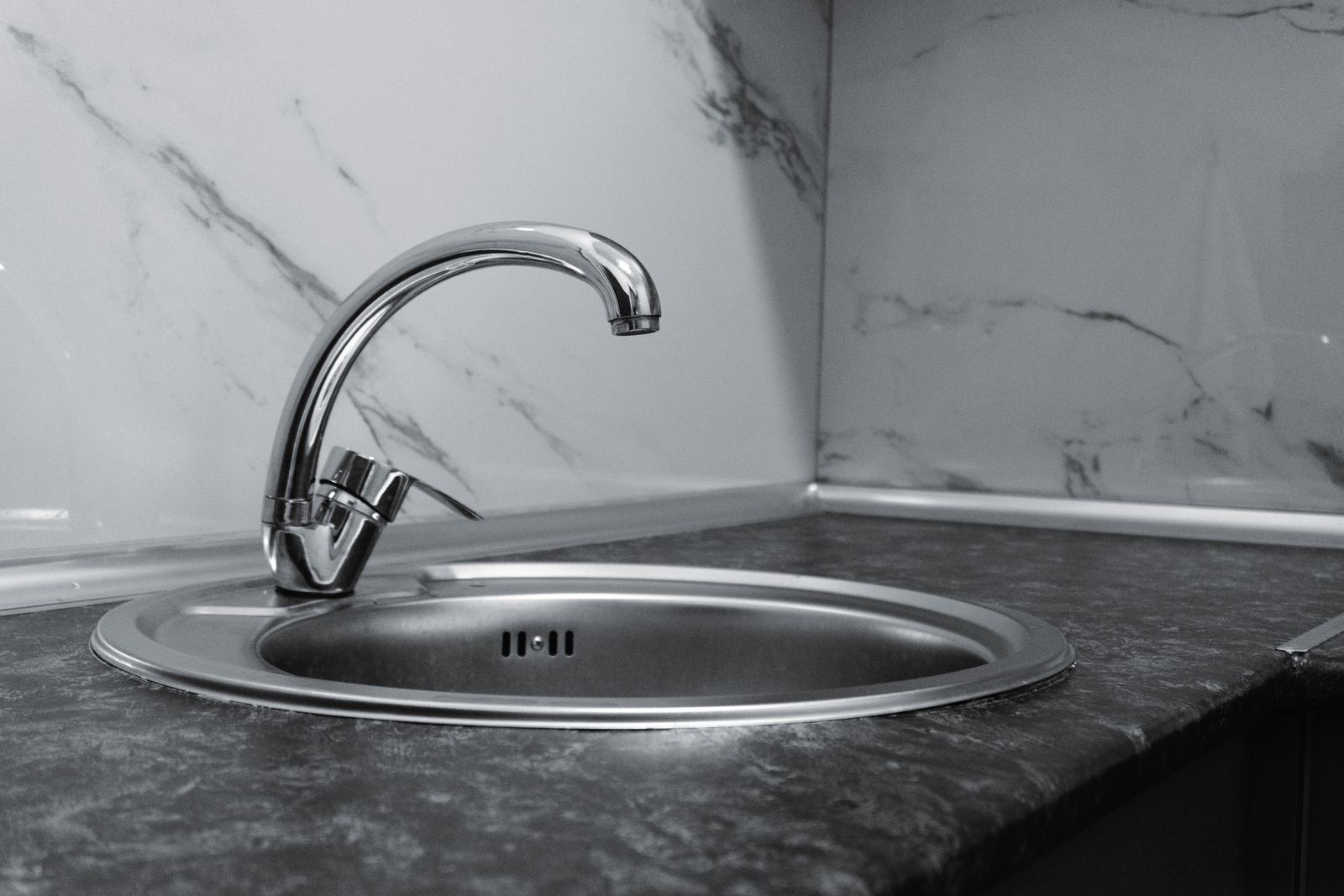
Replacing a fixture is rarely just a swap. Rough-in dimensions, existing shutoffs, drain alignment, countertop cut-outs and support behind the wall all determine whether a new fixture sits properly and stays sealed.
We check compatibility before the visit where possible, and tell you honestly if the fixture you have selected will need additional work to fit the existing services.
Typical process
How the work usually runs
Every property is different, but this is the shape of a standard visit.
- 01
Confirm the product
We review the model, rough-in and connections before the appointment where possible.
- 02
Protect the space
Floors, counters and cabinetry are covered before removal begins.
- 03
Remove the old fixture
Isolate, drain, remove and inspect what is behind it.
- 04
Correct the rough-in
Any adjustments to supply, drain or support are made before setting the fixture.
- 05
Set and connect
Fixture set level, sealed and connected with new supply lines and shutoffs where needed.
- 06
Test and demonstrate
Full function test, leak check, and a short walk-through of the new fixture.
Warning signs
What people usually notice first
- A fixture past its serviceable life
- Repeat repairs on the same item
- Accessibility needs that current fixtures do not meet
- Corroded shutoffs or supply connectors
- Mismatched or previously improvised connections
- A renovation changing the fixture layout
On site
What the plumber will inspect
So you know what to expect, and can clear access to the right places before the visit.
- Existing rough-in and connection points
- Shutoff valve condition and accessibility
- Drain position, slope and trap arrangement
- Structural support and mounting surfaces
- Clearances around the finished fixture
- Manufacturer requirements for the selected product
Cost factors
What changes the price
No figures are published on this demonstration site. These are the variables that make one job different from another.
- Whether the new fixture matches the existing rough-in
- Shutoff valve and supply line replacement
- Drain or vent modifications required
- Counter, tile or cabinetry adjustments
- Number of fixtures installed in the same visit
- Removal and disposal of the old fixture
Estimates
For planned work, an estimate follows once the scope is understood. For repairs, an on-site assessment is usually needed because the cause is rarely visible from a description.
Ask for the assumptions behind any estimate in writing — what it includes, what it excludes, and what would change it.
Estimates & billing questionsPossible causes
What may be behind it
A list of possibilities, not a conclusion. The cause is confirmed on site.
- 01
Rough-in dimensions that differ from the new fixture
- 02
Drain alignment requiring modification
- 03
Insufficient blocking or support behind the wall
- 04
Old shutoff valves that cannot be reused
- 05
Countertop or vanity cut-outs that need adjusting
- 06
Venting arrangements that must be respected
Questions
Frequently asked
Short answers, without policy claims that have not been supplied by the business.
Yes. Send us the model numbers ahead of time so we can confirm the rough-in and whether any adaptation is needed.
We recommend it when the existing stops are old or no longer seal. It is a small addition that prevents a return visit.
It depends on the fixture and what is behind it. We will give you a realistic window once we know the specifics.
Related services
Request service
Ask about fixture installation
Send the details and we will follow up during working hours. For anything actively causing damage, please call instead.
Faster option
Describing the problem out loud is usually quicker and more accurate than typing it.
Service hours, availability and response times shown are placeholders. Confirm actual coverage and scheduling with the business before publishing.