Water heaters
Understand the options before you replace anything
Hot water problems have a handful of common causes. This page sets out how the main system types differ, what the warning signs mean, and when a repair is still reasonable.
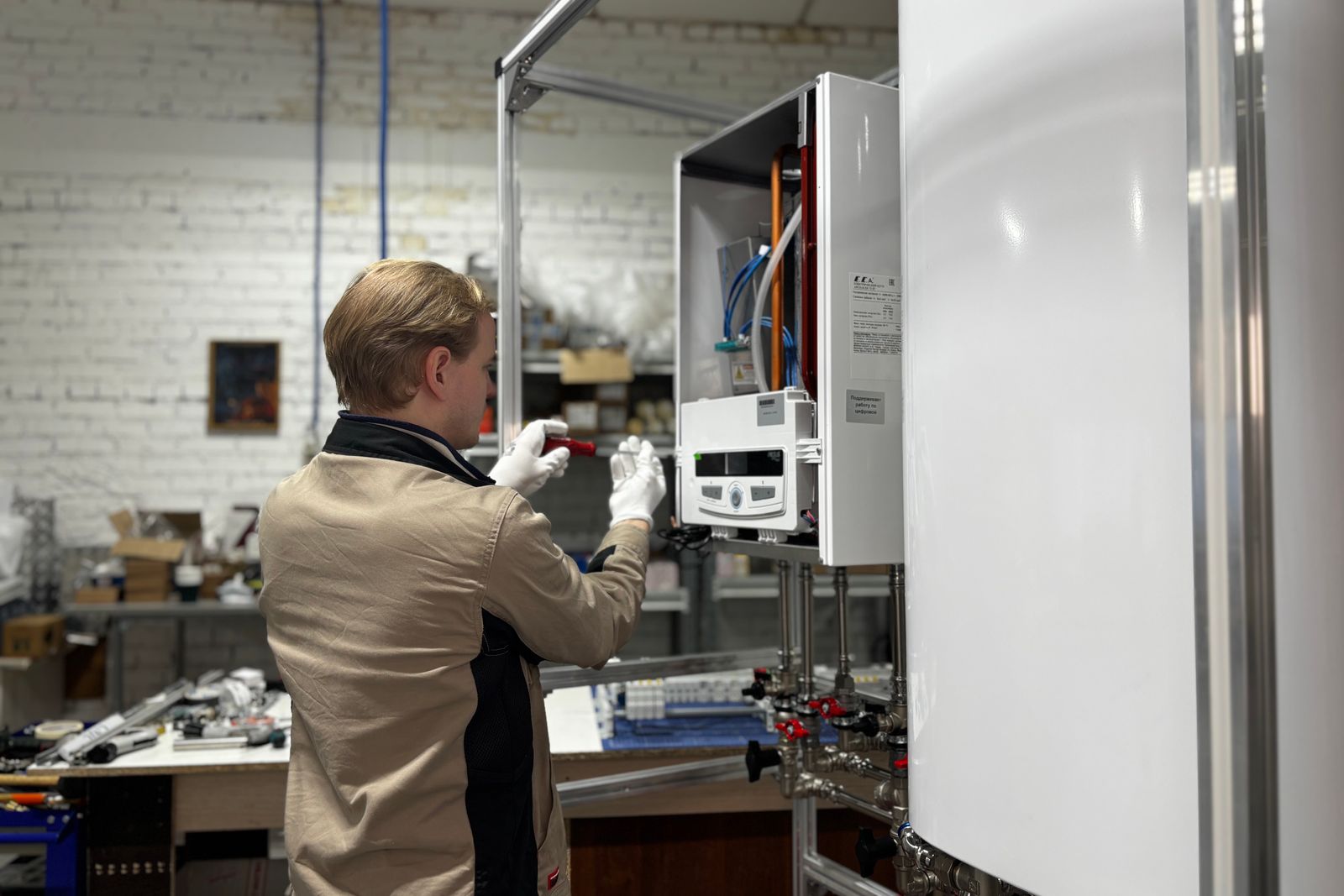
Comparison
How the common options differ
No system is universally better. The right answer depends on the building, the fuel available, the space and how the hot water is actually used.
| System | Space | Household demand | Installation | Maintenance | General suitability |
|---|---|---|---|---|---|
| Conventional tank | Needs floor space and clearance for the tank plus service access. | Delivers a fixed volume of stored hot water; recovery takes time once it is used. | Usually the most direct replacement where a tank already exists. | Periodic checks of the relief valve, connections and sediment. | Households with predictable usage and existing tank infrastructure. |
| Tankless | Wall-mounted, freeing floor area, but requires specific clearance and venting. | Heats on demand; simultaneous heavy draws need correct sizing. | Often involves venting, gas or electrical changes and condensate handling. | Regular descaling matters, particularly where water is hard. | Properties short on space, or with usage patterns that suit continuous flow. |
| Electric systems | Tank models need floor space; no combustion venting required. | Recovery depends on element capacity and available electrical supply. | Requires suitable circuit capacity; no gas connection or flue. | Element and thermostat checks; sediment management on tanks. | Properties without gas service, or where venting is impractical. |
| Gas systems | Requires combustion air and a compliant vent arrangement. | Generally faster recovery than comparable electric tanks. | Gas connection, venting and combustion air must all be correct. | Venting, ignition components and safety devices checked periodically. | Properties with existing gas service and suitable venting routes. |
Warning signs
What to watch for
Most water heaters give some warning. None of these automatically mean replacement — they mean the unit deserves a look.
- Hot water runs out sooner than it used to
- Temperature fluctuates during a single shower
- Rumbling, popping or kettling from the tank
- Rusty or discoloured water on the hot side only
- Moisture, corrosion or drips around the base
- A pilot or ignition that will not stay lit
- Visible scale or staining at connections
- The unit is beyond the age you were told to expect
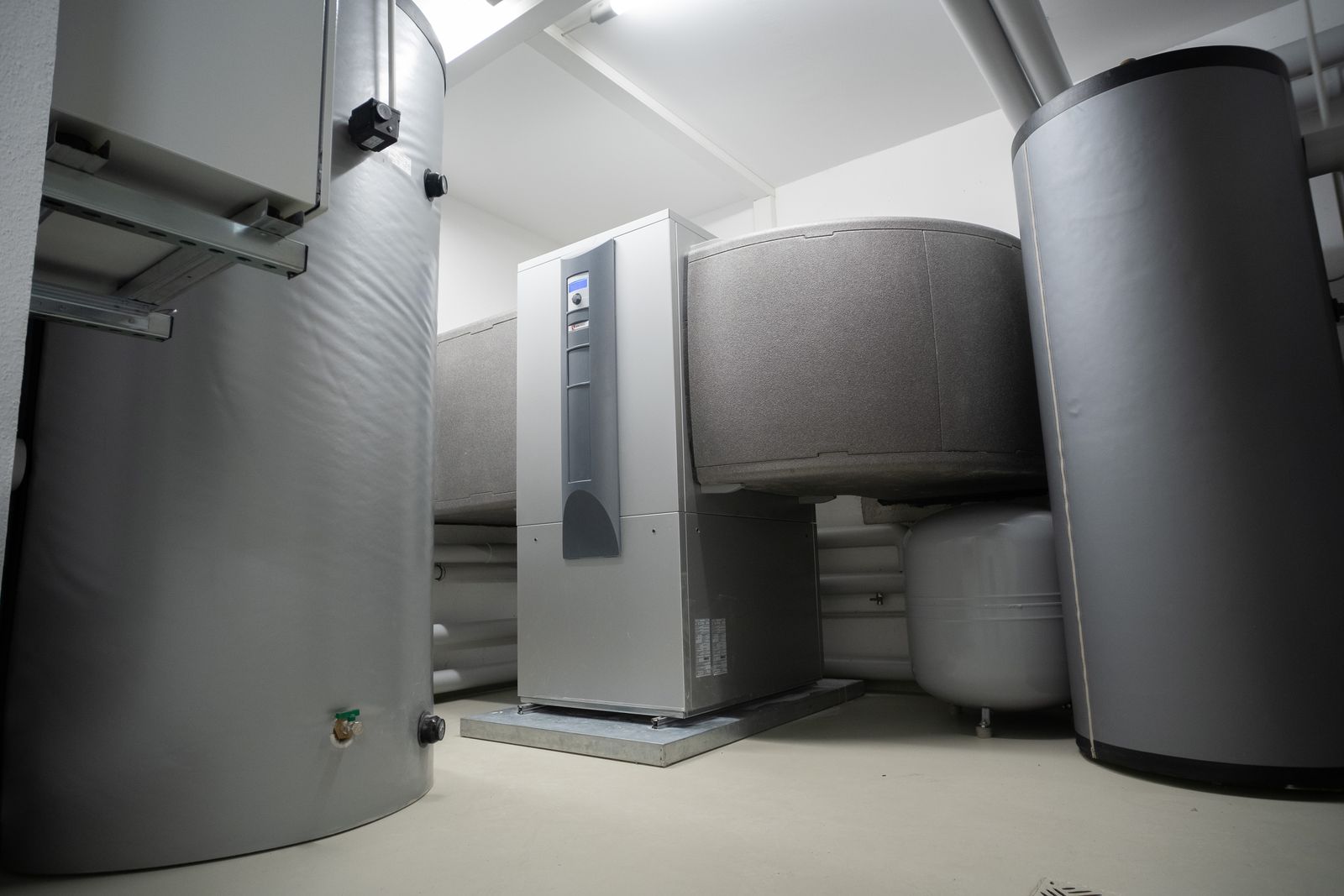
Repair or replace
Diagnosis first, recommendation second
Replacing a unit that had a failed thermostat is an expensive way to fix a cheap problem. The fault should be identified before the conversation about a new appliance.
Often repairable
- Thermostats and heating elements
- Ignition components and thermocouples
- Isolation valves and connectors
- Relief valves and discharge piping
- Controls and sensors
Usually replacement
- A leak from the tank body itself
- Severe internal corrosion
- Repeated failures on an ageing unit
- Capacity that no longer meets household demand
- Obsolete equipment with no available parts
Maintenance
Keeping a water heater serviceable
Small habits extend the useful life of the equipment and make the eventual replacement simpler.
- Keep the area around the appliance clear for service access
- Know where the isolation valves and the relief discharge run
- Watch for moisture at the base between visits
- Have the relief valve and connections checked periodically
- Discuss descaling intervals if you have a tankless unit
- Set temperature sensibly — high settings raise scald risk
Safety note
Water heaters combine stored hot water with either gas combustion or significant electrical load. Draining, relief valve testing and any work involving gas or venting should be carried out by a qualified person. If you smell gas, leave the building and contact your gas utility and emergency services from outside.
Questions
Water heater FAQs
It depends on your usage, fuel rates and how the system is installed. We will not make a blanket energy-saving claim — we would rather explain how your specific situation affects the outcome.
By looking at fixture count, peak demand pattern and how the household actually uses hot water, rather than matching a label on the old unit.
Generally yes. Tell us the make and model when booking so the right parts and information are available.
It depends on the system type, access and whether venting, gas or electrical changes are involved. We will give a realistic window once we have seen the installation.
Clear access around the appliance and, if you can do so safely, note the make, model and approximate age. If water is present, isolate the supply to the unit if you know how.
Request an assessment
Get the current unit looked at
Tell us what the system is doing and roughly how old it is. If you know the make and model, that helps considerably.
For a unit that is actively leaking, please treat it as urgent and call rather than waiting for a reply.
Next step
No hot water right now?
Call and describe what the unit is doing. A short conversation usually narrows it down considerably before anyone arrives.
Service hours, availability and response times shown are placeholders. Confirm actual coverage and scheduling with the business before publishing.