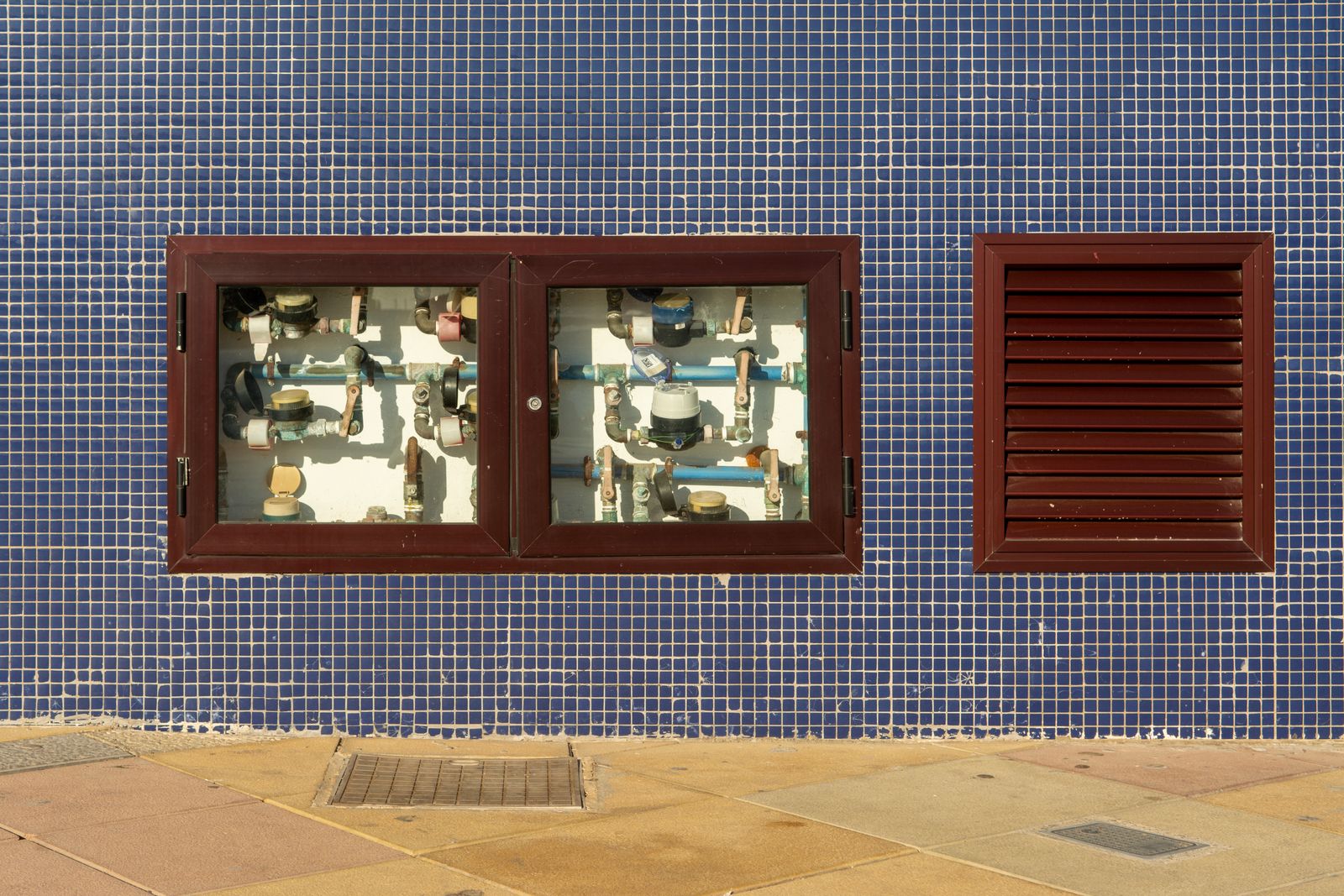
A leak is stressful mostly because it feels like it is getting worse while you decide what to do. Having an order of operations removes most of that pressure. The steps below are deliberately conservative.
1. Stop the water
Find the closest shutoff to the leak. Under a sink or behind a toilet, that is a small oval or lever valve on the supply line. If there is no local shutoff, or it will not turn, go to the main water shutoff for the building.
2. Relieve the pressure
Once the supply is closed, open a tap lower in the building — a basement laundry sink is ideal. That drains the standing water in the pipes and reduces what continues to escape from the leak.
3. Protect what you can move
- Move furniture, boxes and electronics out of the affected area
- Lift rugs and textiles rather than leaving them to soak
- Place a container under an active drip and towels around the perimeter
- Open cabinet doors so trapped moisture can escape
4. Photograph before you clean up
Photograph the leak point, the affected surfaces and any damaged belongings before you start drying things out. If an insurance claim follows, that record is far more useful than a description written later.
5. Call and describe it accurately
When you call, the most useful details are: where the water is coming from, whether you managed to shut it off, how long it has been running, and whether the affected area is near electrical equipment.
6. Do not restore the water and hope
Turning the supply back on to test whether it has stopped is a common instinct and usually a costly one. Leave it off until the failed section has been inspected.
Important
This article is general information for a demonstration website, not advice for a specific property. Where a situation involves gas, sewage, electricity or structural risk, contact the appropriate utility, emergency services or a qualified professional. Demonstration content. Company details, imagery, testimonials and statistics on this site are placeholders for presentation purposes.