Pressure & flow
Weak, uneven or noisy water supply
Pressure problems are worth understanding rather than guessing at. The difference between one slow tap and a whole slow building points in very different directions.
The problem
Understanding water pressure problems
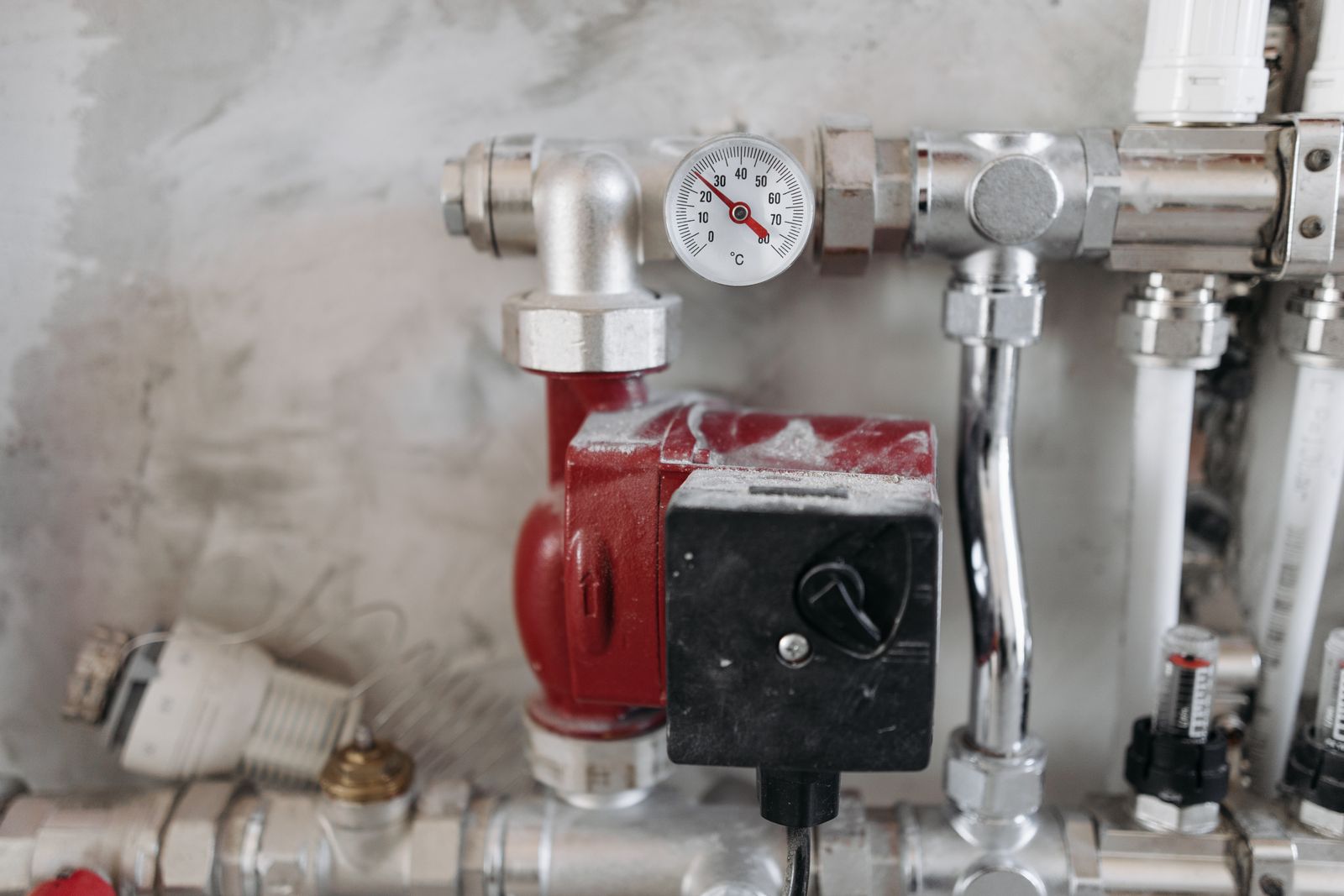
Pressure and flow are related but not the same. A single fixture with poor flow usually has a local restriction. A whole property with weak supply is a system-level question involving the service line, main valves and, sometimes, the pressure regulator.
Excessively high pressure is also a real problem — it stresses fittings, shortens appliance life and can cause noise. Measuring is the only sensible starting point.
Warning signs
What people usually notice first
- Noticeably weaker flow than you remember
- Pressure that drops when a second fixture is used
- Banging or hammering when a tap closes
- Sputtering or air in the lines
- Hot water pressure different from cold at the same fixture
- Appliances taking longer to fill than they used to
Possible causes
What may be behind it
A list of possibilities, not a conclusion. The cause is confirmed on site.
- 01
Clogged aerators, cartridges or fixture screens
- 02
Partially closed main or branch isolation valves
- 03
Mineral build-up narrowing older piping
- 04
A pressure regulator that has drifted or failed
- 05
Undersized or restricted supply for the demand
- 06
Leaks reducing available pressure elsewhere in the system
On site
What the plumber will inspect
So you know what to expect, and can clear access to the right places before the visit.
- Static and running pressure at accessible points
- Whether the issue is hot, cold or both
- Aerators and fixture-level restrictions
- Main shutoff and isolation valve positions
- Pressure regulator presence and setting where fitted
- Water heater condition when hot-side flow is affected
Typical process
How the work usually runs
Every property is different, but this is the shape of a standard visit.
- 01
Define the scope
One fixture, one area or the whole building — this determines everything that follows.
- 02
Measure
Pressure is gauged rather than estimated so we have a number to work from.
- 03
Eliminate local restrictions
Aerators, cartridges and stops are checked first because they are the most common cause.
- 04
Check the system
Valves, regulator and supply are examined where the symptom is building-wide.
- 05
Correct or recommend
Some corrections are immediate; others need parts or a follow-up appointment.
- 06
Re-measure
We confirm the change with the gauge and at the fixtures you actually use.
Cost factors
What changes the price
No figures are published on this demonstration site. These are the variables that make one job different from another.
- Whether the cause is a single fixture or a system component
- Regulator replacement versus adjustment
- Extent of mineral build-up in existing piping
- Accessibility of main valves and supply entry
- Whether piping modifications are recommended
- Diagnostic time for intermittent symptoms
Estimates
For planned work, an estimate follows once the scope is understood. For repairs, an on-site assessment is usually needed because the cause is rarely visible from a description.
Ask for the assumptions behind any estimate in writing — what it includes, what it excludes, and what would change it.
Estimates & billing questionsQuestions
Frequently asked
Short answers, without policy claims that have not been supplied by the business.
Usually not. Single-fixture flow problems are frequently an aerator or cartridge, which is a short visit.
Sustained high pressure adds stress to fittings, connectors and appliances. If we measure high pressure, we will explain the options.
That points toward the water heater, its isolation valves or the hot distribution rather than the incoming supply. We check accordingly.
Related services
Request service
Ask about water pressure problems
Send the details and we will follow up during working hours. For anything actively causing damage, please call instead.
Faster option
Describing the problem out loud is usually quicker and more accurate than typing it.
Service hours, availability and response times shown are placeholders. Confirm actual coverage and scheduling with the business before publishing.