Assessment
Know the condition before you have to react to it
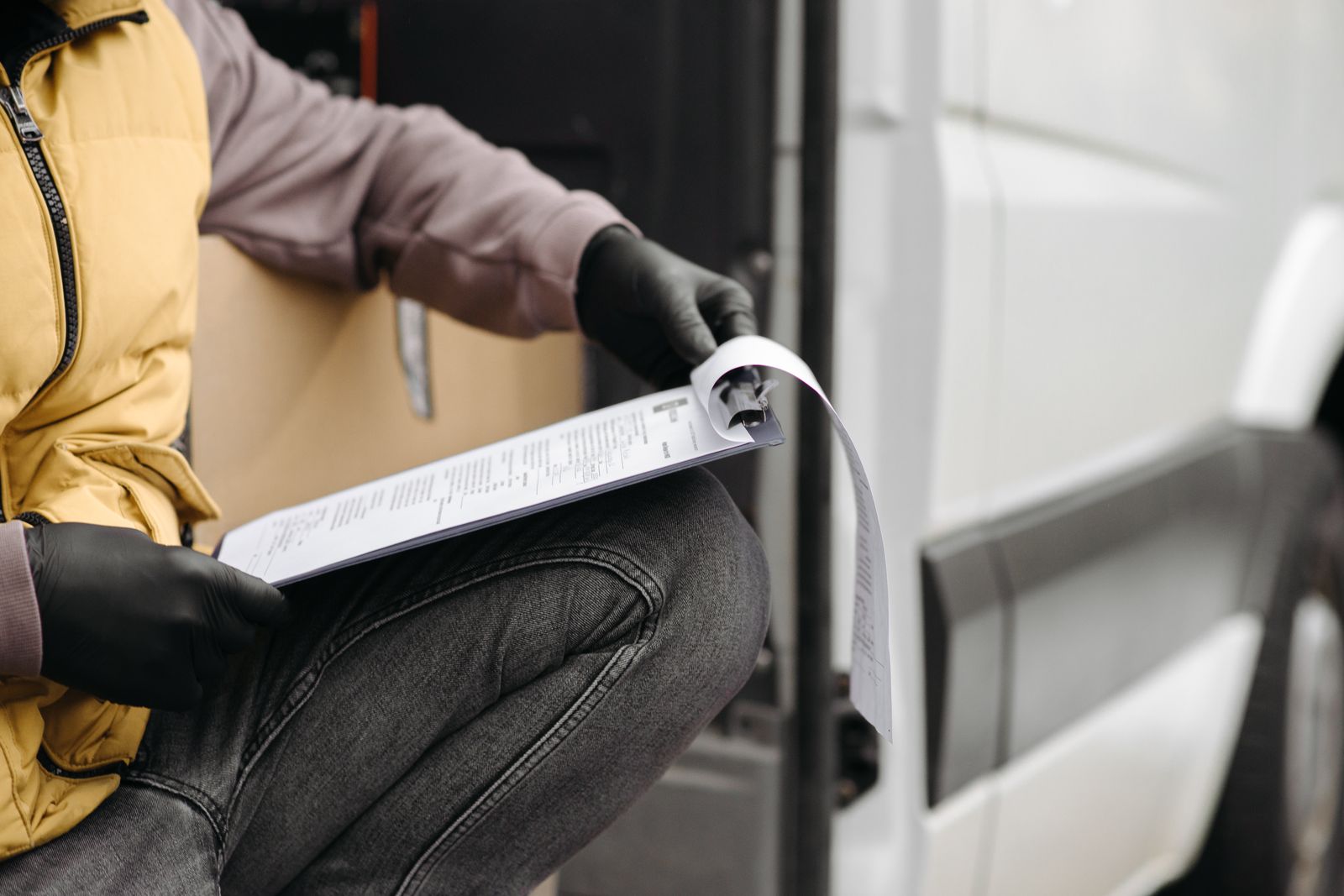
An inspection is a written record of what your plumbing is actually doing, with findings prioritised so you can plan instead of scramble.
The problem
Understanding plumbing inspections
Inspections suit three moments: before you buy, before you renovate, and on a regular cycle for properties you are responsible for. The output is a clear record of condition rather than a sales list.
We separate findings into items needing attention now, items to plan for, and items simply worth monitoring. Where something cannot be seen without opening a surface, we say so rather than speculating.
Warning signs
What people usually notice first
- You are buying a property with unknown plumbing history
- Recurring small problems in different locations
- Visible mixed pipe materials or past alterations
- Fixtures or equipment of unknown age
- Planning a renovation that will touch existing services
- A rental or commercial property needing documented condition
On site
What the plumber will inspect
So you know what to expect, and can clear access to the right places before the visit.
- Accessible supply piping, materials and supports
- Shutoff valves, main shutoff and isolation points
- Fixtures, connections and visible drain lines
- Water heater condition, venting and relief provisions
- Sump pump, floor drains and any backwater valve access
- Signs of past leakage, corrosion or moisture damage
Possible causes
What may be behind it
A list of possibilities, not a conclusion. The cause is confirmed on site.
- 01
Age-related wear across an entire system
- 02
Previous work completed without documentation
- 03
Materials at different points in their service life
- 04
Changes in use since the original installation
- 05
Deferred maintenance building up quietly
- 06
Small alterations that were never inspected
Typical process
How the work usually runs
Every property is different, but this is the shape of a standard visit.
- 01
Agree the scope
We confirm what is included, what is accessible, and what would need destructive access.
- 02
Walk the system
A structured route through the property covering supply, drainage, fixtures and equipment.
- 03
Test what can be tested
Pressure, flow, drainage behaviour and equipment operation where it is safe to do so.
- 04
Photograph findings
Each item is recorded with a photo so the report is understandable later.
- 05
Prioritise
Findings are grouped as attention now, plan for, or monitor.
- 06
Review with you
We walk through the report and answer questions before we leave.
Cost factors
What changes the price
No figures are published on this demonstration site. These are the variables that make one job different from another.
- Property size and number of fixtures
- Whether commercial equipment is included
- Level of documentation required
- Access limitations and crawl spaces
- Camera inspection of drain lines, if requested
- Follow-up reporting for property managers
Estimates
For planned work, an estimate follows once the scope is understood. For repairs, an on-site assessment is usually needed because the cause is rarely visible from a description.
Ask for the assumptions behind any estimate in writing — what it includes, what it excludes, and what would change it.
Estimates & billing questionsQuestions
Frequently asked
Short answers, without policy claims that have not been supplied by the business.
No. A home inspection covers the whole building at a general level. This is a plumbing-specific review in more depth.
Not as part of a standard inspection. Where something material cannot be assessed without access, we note it clearly.
Yes — a documented set of findings with photographs and prioritisation.
Related services
Request service
Ask about plumbing inspections
Send the details and we will follow up during working hours. For anything actively causing damage, please call instead.
Faster option
Describing the problem out loud is usually quicker and more accurate than typing it.
Service hours, availability and response times shown are placeholders. Confirm actual coverage and scheduling with the business before publishing.