Hot water
No hot water, or not enough of it
Hot water problems are usually one of a handful of causes. We diagnose before recommending replacement, and we explain the trade-offs between systems.
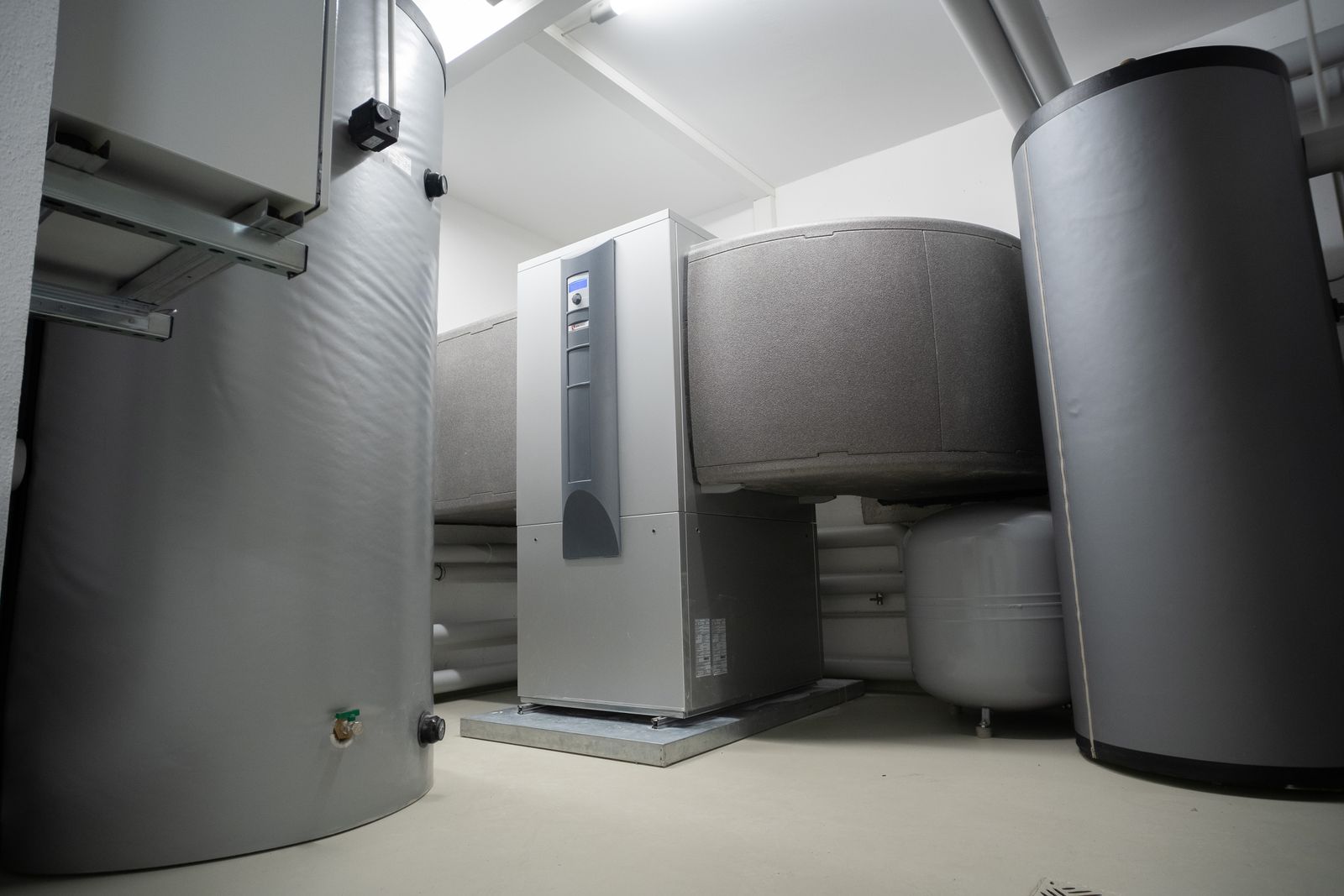
The problem
Understanding water heaters
Loss of hot water can be a control, an element, a thermostat, a gas supply issue, a mixing valve, or a tank at the end of its life. Reduced hot water can also come from sediment, a failed dip tube or simply demand outgrowing the system.
We diagnose the specific fault, then set out repair and replacement options with their realistic trade-offs. We do not make blanket promises about energy savings — actual results depend on your usage, fuel rates and installation.
Warning signs
What people usually notice first
- Hot water runs out faster than it used to
- Water temperature swings during a shower
- Rumbling, popping or kettling noises from the tank
- Rusty or discoloured hot water
- Moisture, corrosion or drips around the base
- A pilot or ignition that will not stay lit
Typical process
How the work usually runs
Every property is different, but this is the shape of a standard visit.
- 01
Diagnose
The fault is identified before any recommendation about repair versus replacement.
- 02
Present options
Repair, like-for-like replacement, or a change of system type — with honest trade-offs.
- 03
Size correctly
Sizing is based on your fixtures and usage pattern, not a default model.
- 04
Prepare the space
Isolation, draining and protection of the surrounding area before removal.
- 05
Install and connect
Water, fuel or power, venting and relief provisions completed to requirement.
- 06
Commission and explain
We test operation, set temperature sensibly, and show you the isolation points.
Possible causes
What may be behind it
A list of possibilities, not a conclusion. The cause is confirmed on site.
- 01
Sediment accumulation reducing usable capacity
- 02
Failed heating element or thermostat on electric units
- 03
Ignition, thermocouple or gas control faults on gas units
- 04
A tank that has reached the end of its service life
- 05
Undersized equipment for current household demand
- 06
Scale in tankless heat exchangers without maintenance
Cost factors
What changes the price
No figures are published on this demonstration site. These are the variables that make one job different from another.
- System type and capacity selected
- Fuel type and any venting changes required
- Condition of existing connections and isolation valves
- Space, clearance and access for removal and installation
- Electrical or gas work required by the change
- Disposal of the existing appliance
Estimates
For planned work, an estimate follows once the scope is understood. For repairs, an on-site assessment is usually needed because the cause is rarely visible from a description.
Ask for the assumptions behind any estimate in writing — what it includes, what it excludes, and what would change it.
Estimates & billing questionsOn site
What the plumber will inspect
So you know what to expect, and can clear access to the right places before the visit.
- Fuel or power supply to the appliance
- Controls, thermostats and safety devices
- Temperature and pressure relief valve condition
- Venting and combustion air for fuel-fired equipment
- Connections, isolation valves and expansion provisions
- Signs of leakage at the tank, fittings or pan
Questions
Frequently asked
Short answers, without policy claims that have not been supplied by the business.
No. Tankless suits some households well and others poorly. Demand pattern, space, fuel supply and installation conditions all matter.
A leak from the tank body itself generally means replacement. Leaks at fittings or valves are often repairable.
Service life varies with water conditions, maintenance and usage. We will give you an assessment of your specific unit rather than a generic number.
Request service
Ask about water heaters
Send the details and we will follow up during working hours. For anything actively causing damage, please call instead.
Faster option
Describing the problem out loud is usually quicker and more accurate than typing it.
Service hours, availability and response times shown are placeholders. Confirm actual coverage and scheduling with the business before publishing.