Urgent
When it cannot wait until tomorrow
Call for anything actively causing damage. Speaking to a person is faster and more accurate than any form.
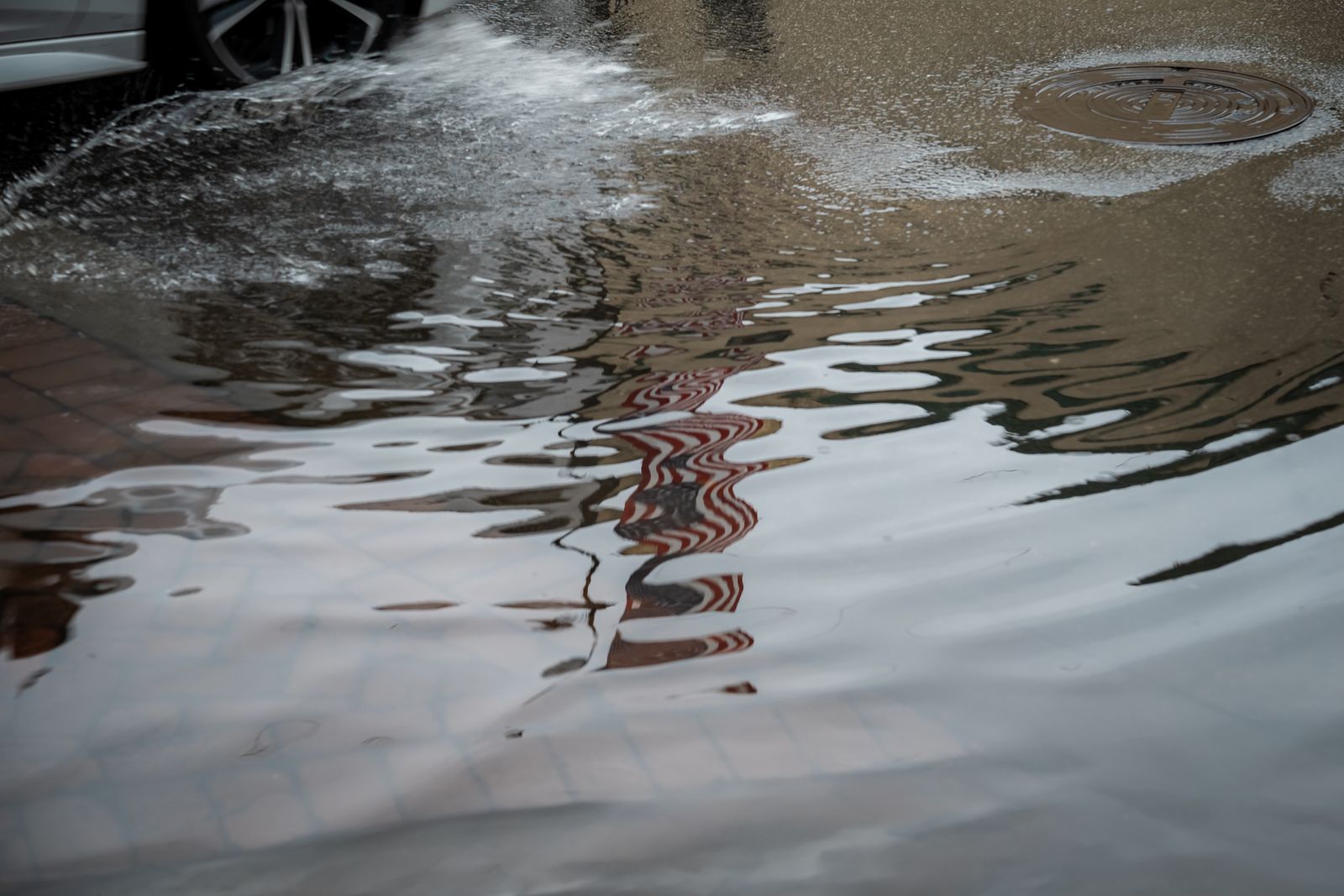
The problem
Understanding emergency plumbing
An emergency is any plumbing situation actively causing damage or making a property unsafe or unusable: a burst supply line, a sewage backup, a failure with no way to isolate it, or a total loss of water.
The most useful thing you can do before help arrives is stop the flow at the nearest shutoff or the main valve, keep people away from standing water, and be ready to describe what you are seeing.
Warning signs
What people usually notice first
- Water escaping that you cannot stop
- Sewage backing up into a fixture or floor drain
- No water anywhere in the building
- A burst or split pipe, particularly in cold weather
- Water near electrical panels, outlets or appliances
- Any smell of gas — leave and call your utility and emergency services first
On site
What the plumber will inspect
So you know what to expect, and can clear access to the right places before the visit.
- The source of the escaping water
- Isolation options and shutoff condition
- Whether electrical hazards are present
- Extent of the affected area
- Whether the system can be safely returned to service
- What temporary measures are appropriate
Possible causes
What may be behind it
A list of possibilities, not a conclusion. The cause is confirmed on site.
- 01
Freeze damage during Winnipeg cold snaps
- 02
Sudden failure of an aged supply line or connector
- 03
Main line blockage causing backup
- 04
Water heater tank failure
- 05
Sump pump failure during heavy inflow
- 06
Damage caused during other work on site
Typical process
How the work usually runs
Every property is different, but this is the shape of a standard visit.
- 01
Call
Describe what you see, where it is, and whether the water is shut off.
- 02
Isolate
We will talk you through isolating the supply if it is safe for you to do so.
- 03
Attend
Attendance timing is confirmed on the call — availability is not guaranteed by this website.
- 04
Make safe
First priority on arrival is stopping the damage and making the area safe.
- 05
Assess and repair
Temporary or permanent repair depending on conditions, parts and access.
- 06
Plan the follow-up
Anything that should be completed in daylight is scheduled before we leave.
Cost factors
What changes the price
No figures are published on this demonstration site. These are the variables that make one job different from another.
- Time of day and day of week
- Whether a temporary make-safe is followed by permanent repair
- Parts availability outside business hours
- Access conditions on arrival
- Extent of the failure and affected fixtures
- Any additional trades required afterwards
Estimates
For planned work, an estimate follows once the scope is understood. For repairs, an on-site assessment is usually needed because the cause is rarely visible from a description.
Ask for the assumptions behind any estimate in writing — what it includes, what it excludes, and what would change it.
Estimates & billing questionsQuestions
Frequently asked
Short answers, without policy claims that have not been supplied by the business.
Anything actively causing damage or making a property unsafe or unusable. If you are unsure, call and describe it.
This demonstration site does not publish response times. Availability is confirmed when you call.
No. Forms are not monitored continuously. For anything time-sensitive, please call.
Request service
Ask about emergency plumbing
Send the details and we will follow up during working hours. For anything actively causing damage, please call instead.
Faster option
Describing the problem out loud is usually quicker and more accurate than typing it.
Service hours, availability and response times shown are placeholders. Confirm actual coverage and scheduling with the business before publishing.